
Home / Antioxiant
Phenolic · Aminic · ZDDP · Peroxide Decomposer · RPVOT
Antioxidant
Additive
Phenolic, Aminic & Synergistic Combinations
What happens during the oxidation cycle?
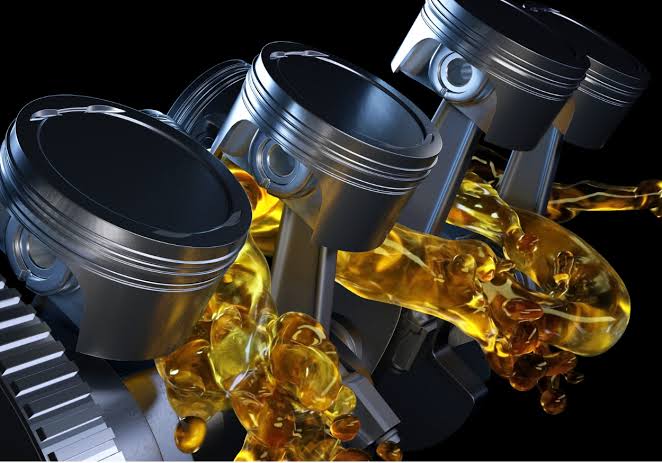
Antioxidants are additives designed to prolong the life of a lubricant by increasing the oxidative resistance of the base oil. Antioxidants allow lubricants to operate at higher temperatures than would otherwise be possible without them. Many synthetic lubricants, especially hydrocarbon-based lubricating oils, are susceptible to degradation by oxygen. This oxidation process, which is initiated by the formation of reactive free radicals and peroxides, is the major cause of oil thickening and the formation of sludge and varnish in many applications.
Both are hindered phenol antioxidants. BHT (butylated hydroxytoluene, 2,6-di-tert-butyl-4-methylphenol) is a small-molecule food-grade phenol — cheap, volatile, used as commodity antioxidant in food, plastics and low-temperature lubricants. 2,6-DTBP (2,6-di-tert-butylphenol) is the lubricant-grade hindered phenol — slightly larger, less volatile, better thermal stability.
RPVOT = Rotating Pressure Vessel Oxidation Test (ASTM D2272). 50 g oil + 5 g water + Cu wire coil in a sealed pressure vessel, pressurised with O2 to 90 psi, rotated at 100 rpm in a 150 °C bath. Time to oxygen pressure drop of 175 kPa is the RPVOT life.
Used for turbine oil, hydraulic, transformer oil and gear oil oxidation life specification. ISO 32/46/68 turbine R&O target ≥ 1,000 minutes; premium turbine 2,000-3,000 min. Phenolic + aminic AO synergy is the main lever to extend RPVOT.
Hindered phenols are colourless when fresh but darken on oxidation — the oxidised quinone form is yellow / amber. High phenolic treat rate gives darker finished oil colour over time, which OEMs (especially aerospace, turbine, ATF) sometimes specify against.
Premium turbine and ATF formulations use lower phenolic and rely more on aminic + ZDDP for AO. PCMO and HDD don’t have colour specs, so phenolic can be used freely up to 1-2% treat.
Premium turbine and ATF formulations use lower phenolic and rely more on aminic + ZDDP for AO. PCMO and HDD don’t have colour specs, so phenolic can be used freely up to 1-2% treat.